
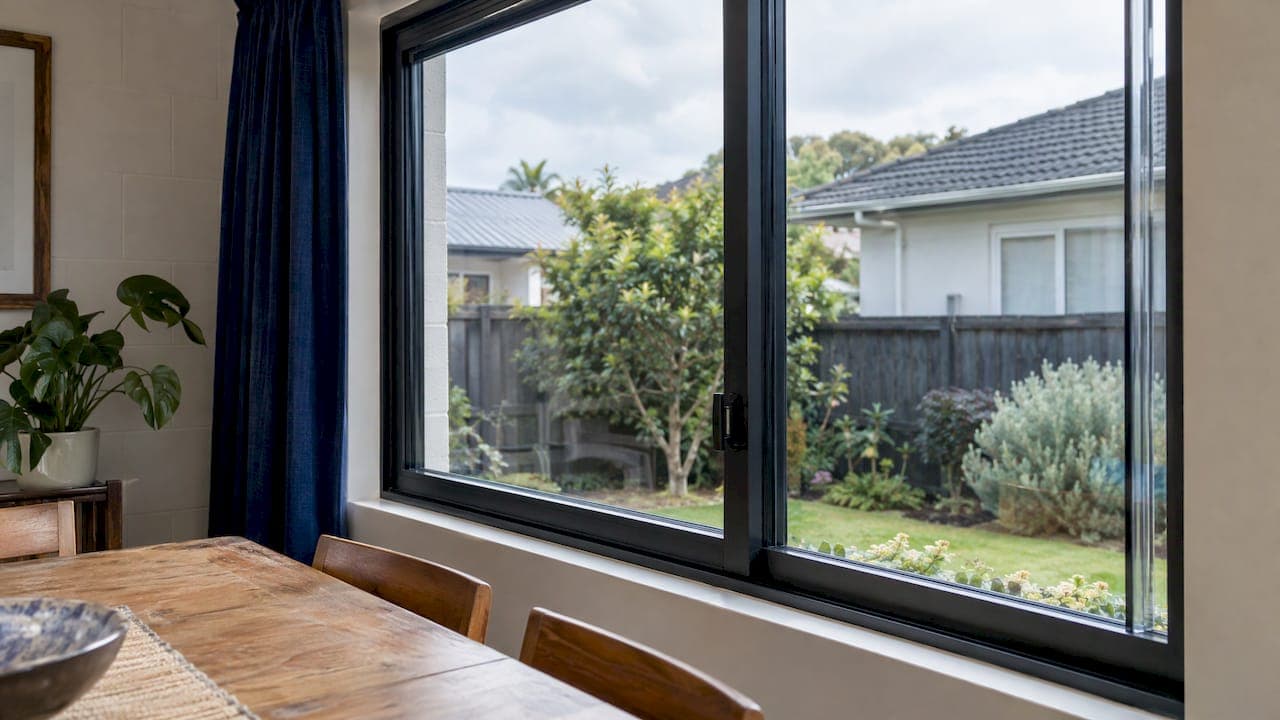
Double glazed window installation in New Zealand comes down to one choice: fit new double glazed windows in place of the old ones, or upgrade the glass in frames you already have. Which suits your house depends on the frame type, its condition and your budget. Either way, the work should follow the Building Code, and a good installer will assess every window before anything is ordered.
This guide explains the options, what gets checked first, what happens on installation day, the rules that apply, and how to decide for your own home.
TL;DR
- There are three main routes: replace the whole window, fit a double glazed insert into the existing frame, or add secondary glazing. Frame condition decides which one is sensible.
- Windows are the biggest source of heat loss in an otherwise well-insulated home, and double glazing can cut that loss substantially.
- Most window replacement and glass upgrades do not need a building consent, but all work must still meet the Building Code, including safety glass where it applies.
- Installation quality matters as much as the unit: careless handling is one of the main reasons sealed glass units fail early.
- You don't have to do every window at once. Start with the rooms you use most.
Table of Contents
- What double glazed window installation involves
- Replacement or retrofit: choosing the right route
- What to check before any double glazing goes in
- How installation works, step by step
- Building consent, Building Code and safety glass
- What you get from double glazing
- Perspective: our view on getting it right
- Getting a double glazed installation done by us
- FAQ
- Sources
What double glazed window installation involves
A double glazed unit is two panes of glass separated by a sealed gap. That gap is what slows heat moving through the window. The unit can arrive inside a brand new frame, or it can be fitted into a frame already in your wall.
The Ministry of Business, Innovation and Employment (MBIE) describes three main options for retrofitting double glazing to existing windows: replacing the whole window frame, installing double glazed inserts into existing frames (cheaper where the frames are in good condition), and adding temporary or permanent secondary glazing. Low-E and tinted glass can be used with each.
Windows & Glass NZ puts the same idea in two camps. Replacement means removing the old windows and installing new ones, most often swapping old timber for new aluminium. Retro-fit glazing swaps the glass in your existing windows without removing the frames, so the seal between window and wall is left undisturbed.
We focus on aluminium joinery in Greater Auckland, so most of our work sits in the first two camps: full replacement and insert windows and doors, supplied and installed by our own team.
Replacement or retrofit: choosing the right route
The table below sets the routes side by side. It follows the guidance from EECA, the government energy efficiency agency, which says the right option depends on window type, condition and budget.
| Route | Best when | What changes | Main consideration |
|---|---|---|---|
| Full replacement | Frames are old, worn, draughty or at the end of their life | New frames and new double glazed units | Fixes the frame and the glass together |
| Insert or retrofit unit | Frames are sound and the profile can take a unit | Glass upgraded within or into the existing opening | Usually cheaper while keeping the look of the house |
| Secondary glazing | Existing windows are sound and the budget is tight | A second pane added inside | Relies on the existing window being in good order |
EECA says secondary glazing is more cost-effective but relies on sound windows, unit retrofits keep a home's appearance but need windows in good condition, and replacement suits frames that are at the end of their life.
For older Auckland houses, that last point is often the deciding one. A frame that rattles, leaks or has corroded corners will not be improved by better glass alone. In that case a fresh thermally broken aluminium frame with new glazing resolves the draught, the heat loss and the tired look in one job. Our guide to thermally broken windows in NZ explains why that frame type matters.
What to check before any double glazing goes in
Not every existing window is a candidate for new glass. The WGANZ Retro-Glazing Industry Best Practice document says a project should first be assessed for viability. It provides four checklists: general condition, aluminium window system, timber window system, and glass and glazing.
In practice, a site assessment looks at:
- Frame condition. Corrosion, rot, warping, failed seals and loose joints.
- Frame profile and depth. A double glazed unit is thicker and heavier than a single pane. MBIE notes that some existing aluminium frames may take double glazed panes, depending on the profile. Timber frames in good condition may suit, typically by routing out the frame and strengthening it.
- Hardware. Hinges, stays and rollers must carry the extra weight and still operate smoothly.
- The glass itself. Size, orientation and whether safety glass is needed in that position.
- The wall connection. Flashings and seals around the window must stay weathertight.
BRANZ, the building research body, says sealed glass units can be put into almost any type of timber window as long as the sash profile has enough depth and strength. The same logic applies to aluminium: the frame has to be able to hold the unit properly for the life of the window.
If you want a closer look at how retrofitting plays out locally, see our retrofit double glazing guide for Auckland.
How installation works, step by step
The process below draws on the WGANZ best practice document for retro-glazing, which is the industry reference in New Zealand.
1. Prepare the site
The installer confirms the work instructions, checks that each double glazed unit is within specification (including spacer bar alignment), decides the order the units go in, and sets up health and safety measures. Rooms are cleared, floors protected and furniture moved back from the opening.
2. Measure and check each unit
Each unit is checked for correct size before anything is removed. A unit that is even slightly out of size cannot be seated properly, so this is the step that prevents rework.
3. Remove the old glass or sash
For an insert into an existing frame, the old glazing is de-glazed and the opening is prepared. For a sash replacement, the existing sash comes out and the opening is prepared, including replacement hinges or stays where needed. For a full replacement, the entire window comes out and the opening is made ready for the new frame.
4. Fit the unit
The unit goes in with the correct orientation, is blocked in line with the relevant industry standard, and is beaded into place with drainage holes correctly positioned. Where the glass is being fitted on site, WGANZ stresses cleanliness, attention to detail and the right materials. It also notes that glazing is best done in controlled factory conditions where possible.
5. Final inspection
The post-installation check confirms that sashes and panels are square, beads sit within tolerance, drainage works, units are positioned evenly, seals are fitted correctly, and every sash and door panel opens and closes properly.
Why careful handling matters
BRANZ Bulletin 680 explains that sealed glass units are precision-made and need great care in handling, loading, transporting and installing. Hard knocks on corners can lead to leaks, and it names poor handling or installation as one of the main reasons units fail or have shorter lives. The same bulletin says the frame should cover the unit's edge by at least 12 mm in most situations, protecting the spacer and sealants from direct sunlight, and that keeping the edge seals dry is key to durability.

This is the reason precision installation is where we put our attention. A good unit in a poorly seated frame will not last.
Building consent, Building Code and safety glass
The rules are more relaxed than many homeowners expect, but they are not optional.
Consent. BRANZ explains that Schedule 1 of the Building Act 2004 exempts replacement of a building product from consent when a comparable product is used in the same position. The exception is where the original window did not meet the 15-year durability or weathertightness requirements of the Building Code. Replacement must not compromise structural integrity, and where the glazed area isn't increased, the R-value must be at least equal to the original. BRANZ also states that no consent is needed to retrofit sealed units into existing window sashes.
Building Code. MBIE is clear that all building work must comply with the Building Code, whether or not a consent is required. If your project changes the opening size or alters structure, talk to your local council before work begins. Our overview of Building Code compliance for NZ windows and doors goes into more detail.
Safety glass. Building Code clause F2.3.3 requires glass that people are likely to contact to break safely, resist impact or be protected by a barrier, and it must carry a stamp showing it is safety glass. WGANZ lists where safety glass is needed: panes within 800 mm of the floor, full-height panels, doors and windows, bathroom and wet-area windows within 2000 mm of the floor, window seats within 800 mm of the floor, and units guarding a fall of more than 1.0 m. Toughened or laminated glass are the two options. It also states that glass of lesser performance for strength, safety or energy efficiency than what it replaces must not be used.
Sliding doors, French doors and bifolds are the usual places safety glass comes into play, so it is worth raising early if you're upgrading doors as well as windows.

What you get from double glazing
EECA says that up to 40% of a home's heating energy is lost through windows, making them the biggest source of heat loss in an otherwise well-insulated home, and that double glazing can bring this down to 25% or less.
The specification of the unit shifts that result. EECA reports that:
- Filling the gap with an insulating gas such as argon can reduce heat loss by 5 to 20% compared with air.
- A gap between 12 mm and 16 mm gives the best insulation performance.
- Low-E coatings can reduce heat loss by up to 30% compared with regular glazing.
A warmer window surface also means fewer cold spots and less of the chilly draught feel near the glass. Many Aucklanders notice the quieter house too, which we cover in our guide to double glazing and noise reduction and in the wider benefits of double glazed windows.
You also don't need to do it all at once. EECA's Gareth Gretton recommends starting with the rooms you use most or the ones hardest to keep warm, because that gives the biggest gain in comfort for the money spent. Living rooms and bedrooms are the usual first stage, with the rest following later.
Perspective: our view on getting it right
Most of the double glazing problems we are called to look at have nothing to do with the glass. They come from a frame that was never right for the job, or a unit that was seated carelessly.
That is why we work only in aluminium. When one team does one material all year, it knows how each profile behaves, which frames can take a new unit, and which ones will give you years of trouble if you try. For Auckland homes, with salt air, humidity and a lot of wind-driven rain, the details around the frame matter as much as the specification of the glass.
Our approach is simple. We look at what you have, tell you plainly whether an insert or a full replacement will serve the house better, and then fit it with the kind of precision that lets a modern window look as though it always belonged in the building. Where a house has draughty, dated frames, new thermally broken aluminium with double glazing gives the most complete result: warmer rooms, a tighter seal and a cleaner look from the street.
We back the work with a five-year workmanship warranty, and one team looks after you from the first visit to the final handover.
Sharim
Getting a double glazed installation done by us
If you're planning to upgrade, we supply and install aluminium windows and doors across Greater Auckland for homes, renovations and commercial properties. That covers insert and full replacement windows and doors, with single and double glazing options, thermally broken frames and bespoke entry doors.

Our work is backed by a five-year workmanship warranty and a 5.0 rating from customers. To start, tell us which rooms are the coldest, draughtiest or noisiest. We'll assess the existing frames and recommend the right route for each window. You can also look at our Auckland double glazed window cost guide to understand what shapes a quote before we visit, or see the range at aklwindows.co.nz.
FAQ
Do I need a building consent to install double glazed windows?
Usually not. Under Schedule 1 of the Building Act 2004, replacing a window with a comparable product in the same position is generally exempt, except where the original window failed the 15-year durability or weathertightness requirements. All work must still comply with the Building Code. If the opening changes size or structure is affected, check with your council first.
Can double glazing be fitted into my existing window frames?
Sometimes. It depends on the frame material, condition and profile depth. MBIE says some aluminium frames can take double glazed panes depending on their profile, and timber frames in good condition may suit after routing and strengthening. A site assessment is the way to confirm which of your windows qualify.
Is retrofitting cheaper than replacing windows?
MBIE describes inserts into existing frames as the cheaper option where frames are in good condition. Where frames are worn or draughty, replacement gives a better overall result. Cost varies with window size, glass specification and access, so a quote on your own house is the reliable guide.
Which windows need safety glass?
The Building Code requires it where people are likely to contact the glass. That includes panes within 800 mm of the floor, full-height panels and doors, bathroom windows within 2000 mm of the floor, and units guarding a drop of more than 1.0 m. The glass must carry a safety glass stamp.
Should I double glaze every window at once?
No. EECA suggests starting with the rooms you use most or those hardest to keep warm, then continuing over time. Planning the whole house in one assessment still helps, so the frames and finishes match as you go.
Sources
- Glazing and glass options, MBIE Building Performance
- Upgrading Your Existing Windows, Windows & Glass NZ
- Window insulation for home energy efficiency, EECA
- Window and door frames, MBIE Building Performance
- BRANZ Bulletin BU658 Timber windows
- Retro-Glazing Industry Best Practice, WGANZ
- BRANZ Bulletin 680 on insulating glass units
- Replacing windows in existing openings, BRANZ
- Building Consent Guidance, MBIE